There are two kinds of hammam in Marrakech. The first is air-conditioned, smells of rose water, and costs 80 euros. The second is down an unmarked alley, costs 15 dirhams, and changes how you think about your body, space, and time. This is about the second one.
A hammam is not a spa
A traditional Moroccan hammam is a public building heated by a wood furnace. There are several rooms, each hotter than the last. You enter with a bucket, a kessa (an exfoliating glove made of horsehair), black beldi soap, and a great deal of humility.
It is not a place of relaxation in the Western sense. It is a place of purification. Moroccans go there with family, before celebrations, before weddings, on Fridays. It is as much a social institution as a hygienic one.
The tourist who arrives in swim shorts looking for a locker with a padlock is going to have a rough time.
What to bring
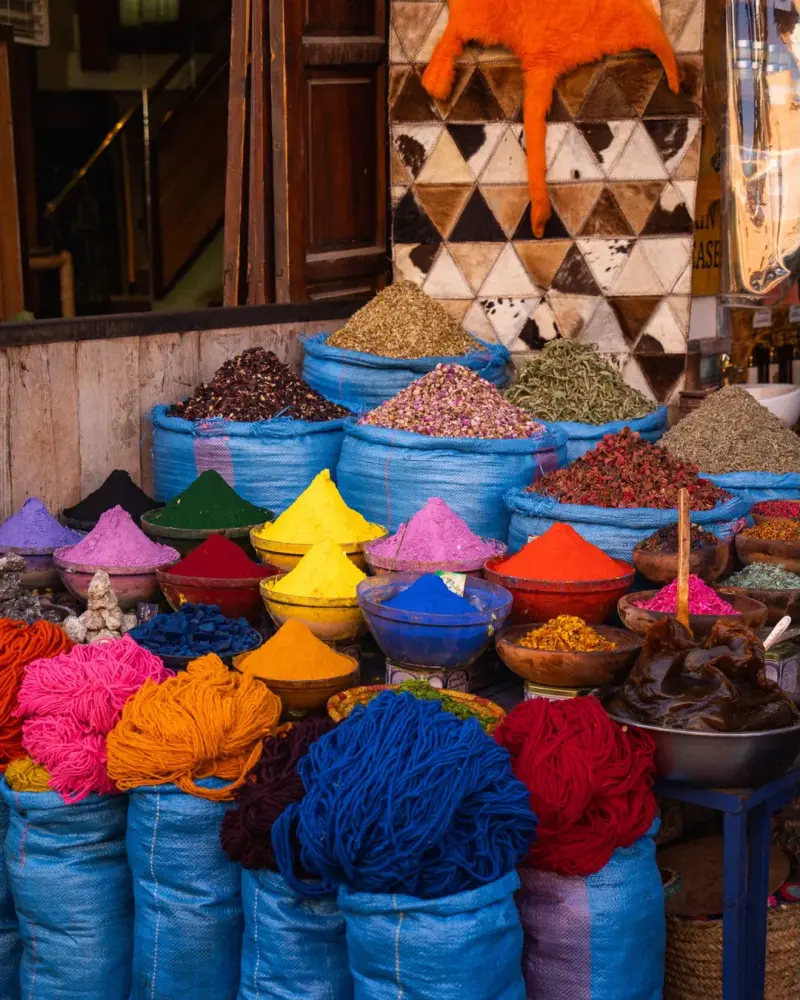
A plastic bucket (sold at the entrance for a few dirhams, or taken from the villa). Beldi soap (black, olive oil-based, paste-like texture), buy it in the souks, not from a hotel. A kessa, the horsehair glove that will remove dead skin. The first time it works, it is a shock.
Two towels, plastic flip-flops. A cold water bottle, the heat dehydrates.
What NOT to bring: a camera, expectations of zen silence, and the idea that you will come back rested. You will come back clean, emptied out, and mildly disoriented. It is better.
Basic etiquette
Keep your voice down. Do not rush. Let the regulars through. If someone offers to scrub your back, that is the kessali, accept or decline politely, but know that their hands will find places you have not cleaned in years.
Hammams are gender-separated, or alternate on a schedule. Check before you go.
Three addresses within 25 minutes of Route de l'Ourika
Hammam Dar el-Bacha (Medina, Rue Fatima Zohra): the most beautiful building, restored but still functional and accessible. Not a museum. Open early morning.
Hammam Sidi Bouloukat (near Jemaa el-Fna): the most authentic in the centre, frequented by locals. Local price. No sign in English.
Hammam el-Bacha populaire (Bab Doukkala district): for those who want maximum immersion. Bring a guide or ask Youssef to drop you off.
What it costs
A local popular hammam: 10-20 dirhams entry, plus 50-80 dirhams for a scrub with a kessali. A touristy air-conditioned Medina hammam: 150-300 dirhams all in, towels and soap included. A five-star spa with treatments: 500 dirhams and up, at that point you're getting a Westernised massage, closer to a spa than a traditional hammam.
The private hammam at the villa is included at no extra cost for stays, just let us know the day before so the water is at the right temperature.
Water, heat and hygiene
A question that comes up often: is it hygienic, with so many people passing through? Traditional hammams run on running water, not standing water like a jacuzzi. Everyone washes with their own bucket filled at the tap, there is no shared pool to soak in. The heat itself (floors and benches climb above 40°C) strongly limits bacterial growth. Serious establishments clean the floors between sessions.
For sensitive skin, beldi soap can feel harsh the first time, that is normal, it is an alkaline soap designed to dissolve dead skin. Rinse thoroughly and moisturise afterwards.
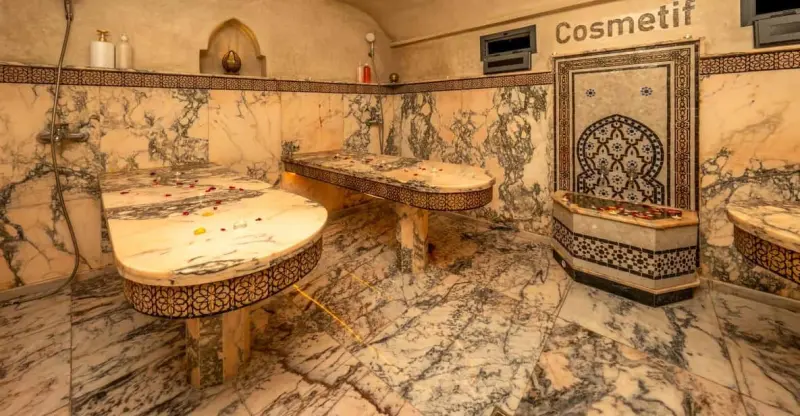
The private hammam at the villa
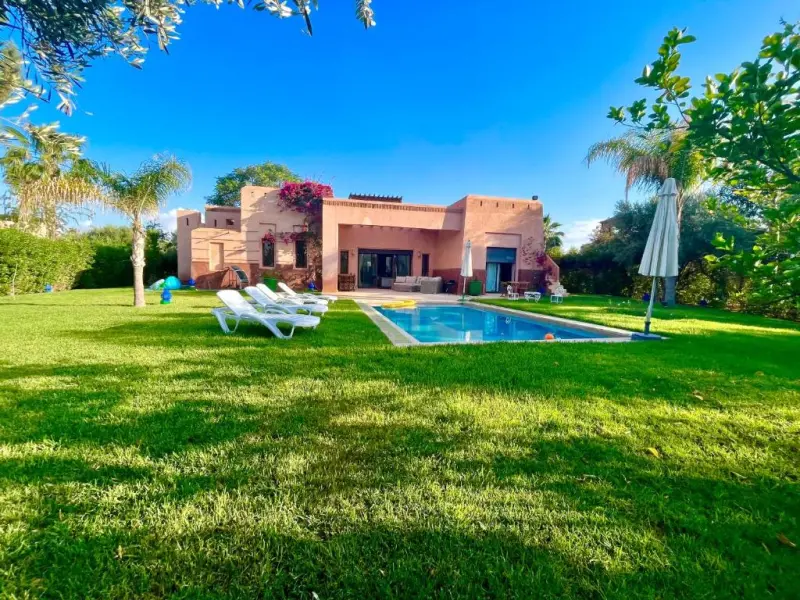
Villa Azur has a private hammam available on request. It is a different experience: quiet, spacious, at your own pace. Some prefer to start here to understand the ritual before going to a public hammam. Others do the opposite, the public one first to calibrate, the private one after to decompress.
Both have their logic. One takes you out of yourself. The other brings you back.
For families with children, the private hammam is often the best introduction. And if you are choosing between a riad in the Medina and a villa, knowing that a private hammam is available may tip the balance.